03.21.2013 | By Jack Rico |
*Updated January 2026
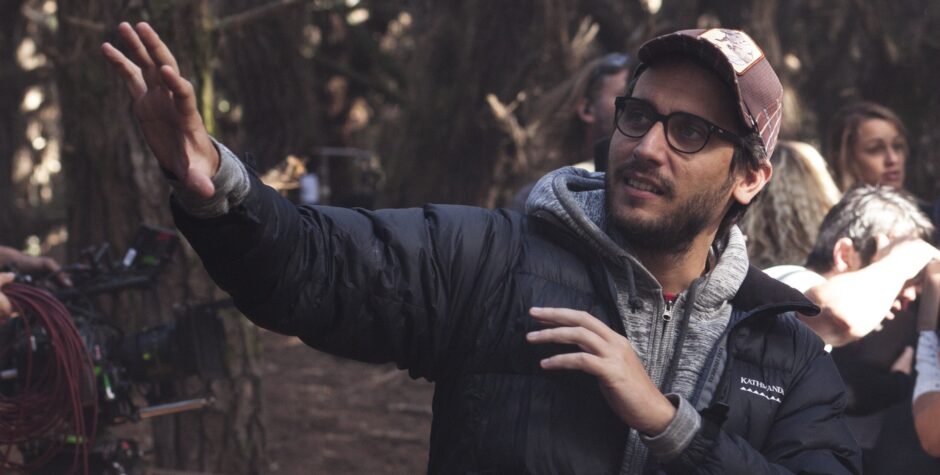
One of the great stories of 2013 was the rise of a young Uruguayan filmmaker who went from obscurity to directing a massive Hollywood horror film. Fede Alvarez saw his dreams come true when he was selected to helm the big-budget reimagining of a genre classic. This Q&A explores how Alvarez transitioned from making short films in South America to leading a major studio production.
On April 5th, the US release of the Evil Dead remake will hit theaters with Alvarez’s name leading the credits. This moment represents a significant triumph for the director and the broader community of Hispanic filmmakers. It serves as a reminder that success is attainable for those who aspire to greatness, regardless of their background.
The situation feels like a cinematic version of American Idol for the Latino film community. It captures the essence of discovering new talent and proving that anything is possible for a new generation of dreamers. However, the pressure remains high as the director faces the potential risks of a high-profile debut.
Alvarez remains a dedicated movie fan at heart, even as he operates as a Hollywood director. He approaches filmmaking with the perspective of an enthusiast, which brings a fresh spirit to the industry. Audiences can expect to see his unique vision on screen for many years to come.
ShowBizCafe.com (SBC): Fede, you have an incredible story. How did you first meet Sam Raimi and get chosen to direct the iconic horror film Evil Dead?
Fede Alvarez (FA): It started with Ataque de Pánico!, a sci-fi short I finished in 2009. I uploaded it to YouTube to share with friends, and it quickly went viral. By the next morning, I had 150 emails from Hollywood professionals wanting to meet me.
A week later, I was in Los Angeles meeting with various studios. Being a huge fan of Sam Raimi, his offer of a blind deal was the most exciting opportunity for me. While we were developing a feature version of my short, he offered me Evil Dead.
Raimi wanted someone who loved the process of shooting rather than a typical studio director. He wanted a fan who could write and direct to bring the story to a new generation. This approach helped make the movie feel special and different from the usual system.
SBC: Are you feeling the weight of the expectations? If Evil Dead succeeds, your career is set, but if it fails, the pressure must be intense.
FA: The pressure was massive when I first accepted the role because remaking a cult classic is incredibly difficult. However, I gained confidence once we developed a strong story. Having Raimi support the script and encourage my vision gave me the boost I needed.
Hollywood takes a gamble on unproven filmmakers, and I feel a responsibility to deliver. If we succeed, it encourages studios to keep looking for fresh talent outside the traditional system. We have seen great results recently from directors like Rian Johnson and Gareth Evans.
Fear is the enemy of creativity, so I try not to let it interfere with the work. After seeing enthusiastic reactions from test audiences and standing ovations, I feel much better. It confirms that there is an audience that wants the same things I do in a film.
SBC: What happens if the film doesn’t perform well at the box office?
FA: I don’t think it would change my focus because making good things is what matters most. A film like Children of Men didn’t make much money initially, but it remains a masterpiece. Box office numbers don’t always reflect the quality of the work.
Directors cannot control marketing or how a movie is sold to the public. My goal is to create something that people respect and enjoy. While I hope the studio makes their investment back, my priority is the film itself.
SBC: You are the first Uruguayan director to make this kind of crossover. What does that represent for you and your country?
FA: It means everything to me. I receive messages daily from young filmmakers in Uruguay who were told this industry was impossible to enter. My viral short proved that you don’t need money or connections to get noticed.
Knowing that I’ve inspired kids to pick up a camera is a great feeling. For my generation, Robert Rodriguez was the example of making the impossible happen with El Mariachi. I hope my story can provide that same spark for others to follow their dreams.
SBC: How are you handling the attention from the horror fan community?
FA: It is a bizarre experience, especially after recent screenings where I spent hours signing autographs. It is the first time in three years that the reality of the situation has really hit me. Feeling that love from people who are hungry for good horror is rewarding.
SBC: People are calling this one of the goriest films in years. What sets your version apart from the original?
FA: I can’t say if it’s better, but hearing that it stands alongside the original is a huge compliment. This is likely the goriest wide studio release in the last decade. We pushed the boundaries so far that we had issues with the MPAA rating.
The first cut was actually rated NC-17. We had to remove just a few frames from the most graphic shots to secure an R rating. It remains a brutal and graphic experience that pushes the limits of what a major studio will release.
For more movie interviews, check out our Movie Interviews archive.