Sofia Vergara Archives | ShowBizCafe.com

Sofia Vergara Archives | ShowBizCafe.com

Mariana Dussan

By

2013/03/13 at 12:00am

Sofia Vergara to star with Jason Statham in “Heat”

03.13.2013 | By |

Sofia Vergara to star with Jason Statham in "Heat"

After Jason Statham worked with Latina Jennifer Lopez in “Parker” earlier this year, Statham will now work with another Latina, perhaps the biggest Latina of the moment in Sofia Vergara. There is no doubt that, slowly but surely, Sofia Vergara is taking over Hollywood. The Colombian model, TV hosts, comedian and actress will star in Robert Roriguez’s sequel to Machete – Machete Kills and is now in negotiations to play the female lead in the remake of the 1986 “Heat.”

The story revolves around Nick Escalante, played by Jason Statham, a compulsive gambler in Las Vegas that takes hired body guard positions in the streets in order to support his addiction. After his prostitute friend (Sofia Vergara) is brutally attacked by a merciless member of the mob, Escalante heads out for revenge.  Read More
Karen Posada

By

2013/02/12 at 12:00am

‘Escape From Planet Earth’: Interview with the cast

02.12.2013 | By |

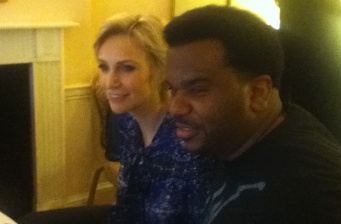
This Valentine’s Day weekend ‘Escape From Planet Earth’ an original animated family film will open nationwide! For us Latinos who love animated films this will be one to go see, especially because of the great Latino actors who voice some of the most important characters in the film: Jessica Alba is Lena, the beautiful and intelligent chief at BASA, Sofia Vergara plays Gabby the hot and spicy anchor for BNN News, and finally George Lopez a three-eyed slug alien named Thurman. We had a chance to sit down with two of their funny cast mates, Craig Robinson is Doc an intergalactic radio talk-show therapist, an adorable and genius alien mouse who invented social networking and is the voice of reason to all the other prisoners in Area 51. Jane Lynch is Io, she’s a gigantic Cyclops from the sun who has anger management problems and whose intelligence and strength come in handy. Read More

Estelle Gonzales Walgreen

By

2011/07/29 at 12:00am

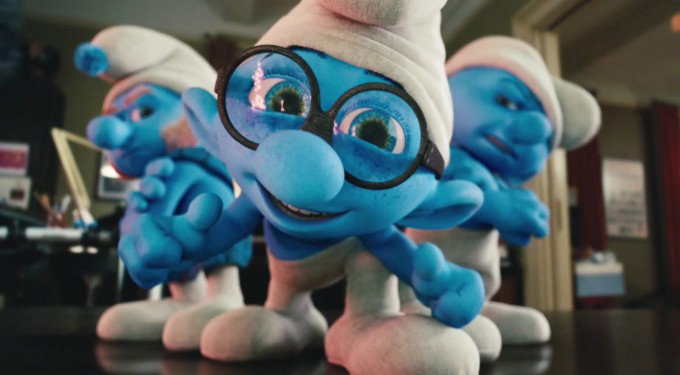
Smurfs vs. Los Pitufos: Why The Spanish Translation?

07.29.2011 | By |

Quick Answer: What are “The Smurfs” in Spanish?

Translation: Los Pitufos (pronounced Pee-TWO-foes)

Editor’s note (Updated 2025): More than a decade after its release, “Los Pitufos” remains the go-to Spanish name for The Smurfs, but why has it stirred new curiosity wordwide about how the translation began?

Depending on what part of town you are from or what language your TV is talking to you in, you’ve heard the name ‘Los Pitufos’. Confused? Well, think of one of the most popular brands in kid’s entertainment and think of 500 million chotchkies sold worldwide with the Pitufos image that includes blue bottled water. Yes, it’s none other than The Smurfs, the beloved characters with a recurring role in children’s hearts, whose long-awaited movie opens today. Thanks to the youngsters en mi familia and their screeches about Pitufos, I realize the Smurfs I grew up with and their Pitufos were one and the same.

The Translation Challenge: From Smurfs to Pitufos

So how did we come to praise these mushroom-dwelling blue cuties with two different monikers, Pitufos and Smurfs, and where the hell did that translation come from?

After some digging, I found the culprit. Spanish magazine editor, Alfonso Moline, who some thirty years ago couldn’t translate the English word ‘smurf’ into Spanish (why he didn’t leave well enough alone, I’ll never know) named the characters after a famous folktale hero known as ‘Patufet’. Now, all of Spain, Mexico, and Latin America use the term Los Pitufos, pronounced ‘pee-two-foes’ when talking about The Smurfs. That still doesn’t explain how my family and many other U.S. Hispanics are pitufo crazy but smurf ignorant.

Marketing to Latinos: A Corporate Misstep

The answer there didn’t take much digging. It was corporate America trying to sell more Smurfs merchandise to Latinos without giving it much thought. A Spanish-speaking person must have read that old study, and the assumption was made that Hispanics only want to be sent product info in Spanish. But is that a contradiction or “adivinanza”? Therefore, most Smurf advertising in Spanish-language media and in ads where there are high concentrations of Latinos only use the Pitufo name. Bad idea, I say.

First, it’s generally appreciated if a translation for marketing purposes is at least in the same English-sounding neighborhood, you know, like Nueva York or Los Doyers (which incidentally the team trademarked). Don’t sell me Alvin y Las Ardillas when everyone else is talking about Alvin & the Chipmunks. And don’t promote Harry Potter y Los Reliquias de la Muerte which doesn’t sound as British and regal as Harry Potter and The Deathly Hollows. When I was growing up, no one acknowledged the Latino consumer base or thought it necessary to create separate and not necessarily equal marketing campaigns – so I shouldn’t complain too much about the progress made. However, iconic cultural icons like the Smurfs, Mickey Mouse, and Corona are better represented in the language they were created with.

Cultural Representation in Media and Merchandising

The movie seems to have enough Hispanic traits that some marketers might be worried. The movie has George Lopez’s East LA. barrio accent and Sofia Vergara’s Colombian nasal lilt – all part of the Smurf’s village. And please familia, don’t confuse me by referring to George’s character as the Pitufo Gruñon when it’s really Grouchy Smurf.

The Smurfs, or ‘Los Pitufos’, have become a part of Latin American popular culture, symbolizing a unique blend of nostalgia and contemporary appeal. Their merchandising success is a testament to their popularity. From Smurf houses to the figurines of Papa Smurf and Brainy Smurf, the range of products available is vast. Each item reflects the charm and simplicity of the Smurfs, making them some of the biggest collectible toys around the world. This success is mirrored in the anticipation for their movies, which are often long-awaited events for fans of all ages.

The Linguistic and Cultural Bridge

In a way, the story of the Smurfs and their Spanish translations speaks volumes about the evolution of marketing strategies toward U.S. Hispanics and Latin Americans. It showcases the need for a nuanced approach, one that respects the linguistic and cultural diversity of these communities. Terms like ‘La Aldea Pitufa’ or ‘Echo Flood and Smurf Attacks’ may not be part of the everyday lexicon, but they symbolize the broader impact of these characters in different parts of the world.

Their presence in video games and other media further cements their status as enduring icons. For many U.S. Hispanics, the Smurfs are more than just characters; they are a part of their identity, a connection to both their American and Latin roots. This dual identity is reflected in the way they consume media, often seamlessly switching between English and Spanish, between the Smurfs and Los Pitufos.

The Universal Appeal of ‘Los Pitufos’

Overall, the story of ‘Los Pitufos’ is more than just a tale of translation and marketing. It’s a narrative about cultural adaptation, about how a simple English word transformed into a Spanish phenomenon. It’s about the power of media to bridge gaps and bring together different communities under the shared love for blue, mushroom-dwelling characters. So, as we celebrate the release of the new Smurfs movie, let’s remember the journey of these characters from their humble beginnings to their status as global icons. Enjoy the movie, and if anyone asks what you think of ‘Los Pitufos’, simply retort “Do you mean Los Smurfs?” or “I don’t hablo Spanish, just Spanglish.”


Appendix: Smurf Character Names in Spanish

For quick reference, here are the most common translations mentioned in the article:

Papa Smurf Papá Pitufo
Smurfette Pitufina
Brainy Smurf Pitufo Filósofo
Grouchy Smurf Pitufo Gruñón
Clumsy Smurf Pitufo Tontín
Gargamel Gargamel

Related:

Select a Page